
Overview
SOTO 2.1 has a conveyor gripper that can pick up and place load carriers. The gripped load carriers can be held in the load carrier press in the upper area of the robot while the gripper rotates under the load carrier. In this way, the orientation of the load carriers can be determined during placement.
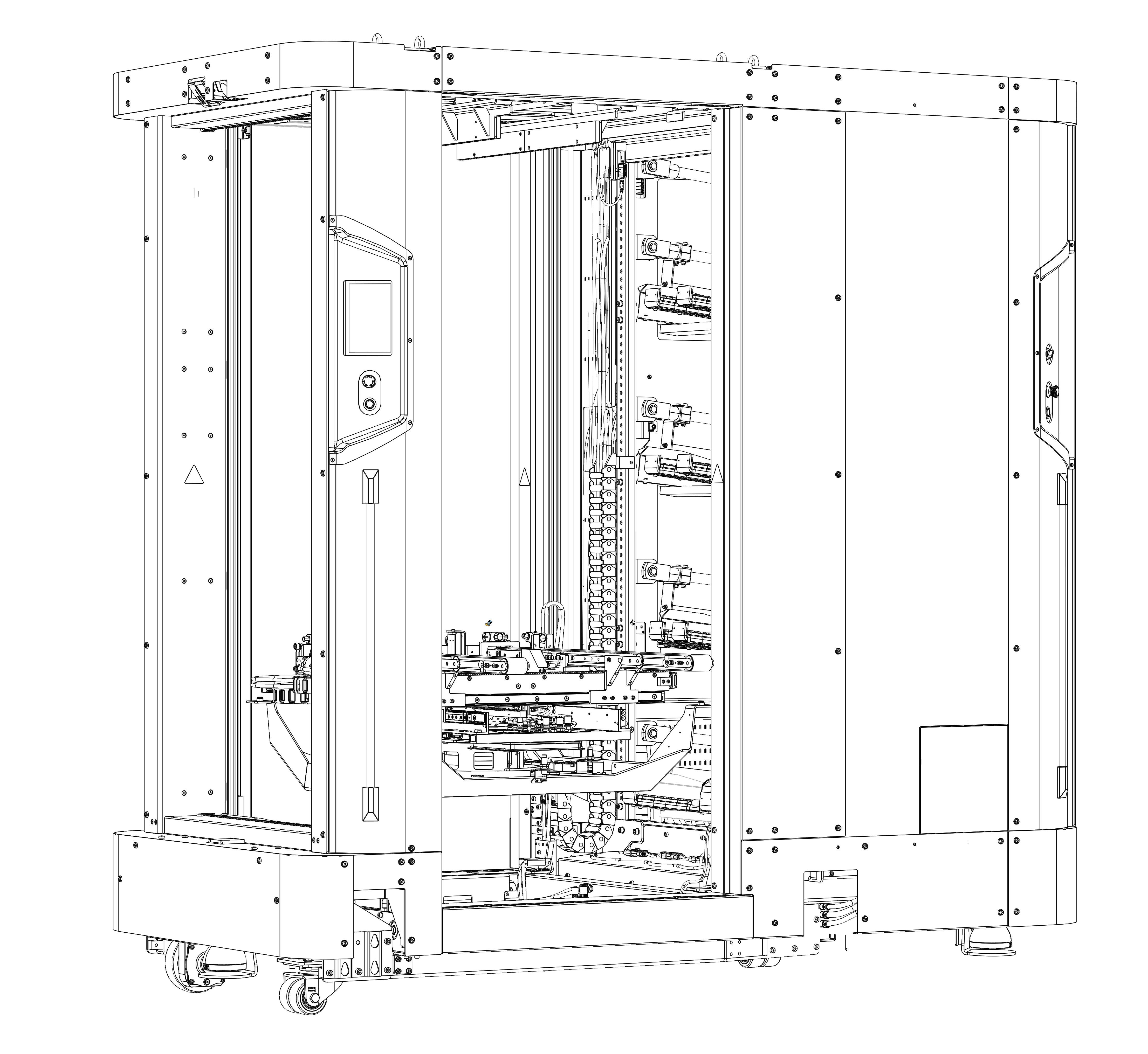
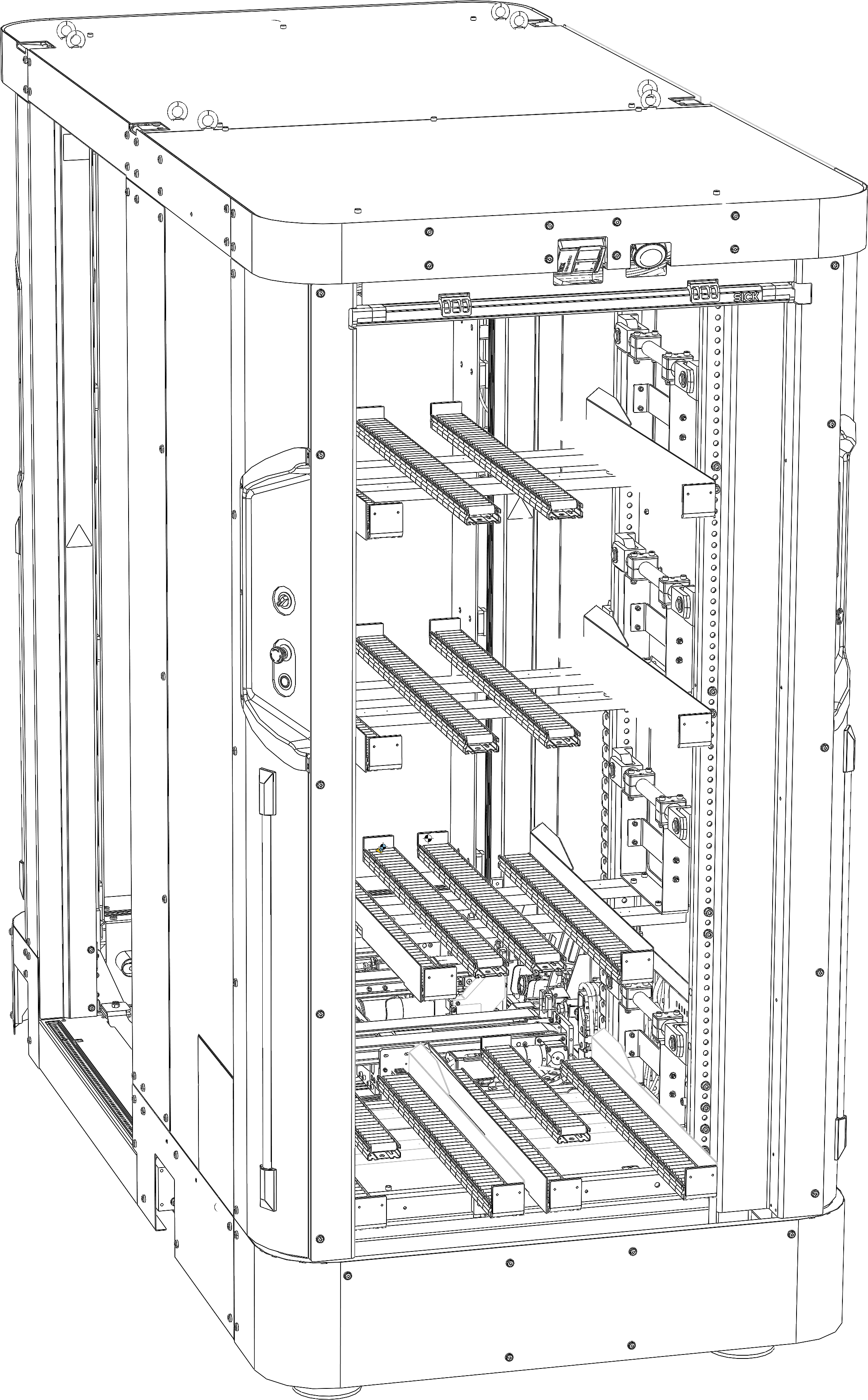
Picked up load carriers can be temporarily stored in the backpack. The Backpack can be adapted to different types and sizes of load carriers. The capacity of the backpack depends on the load carriers used.
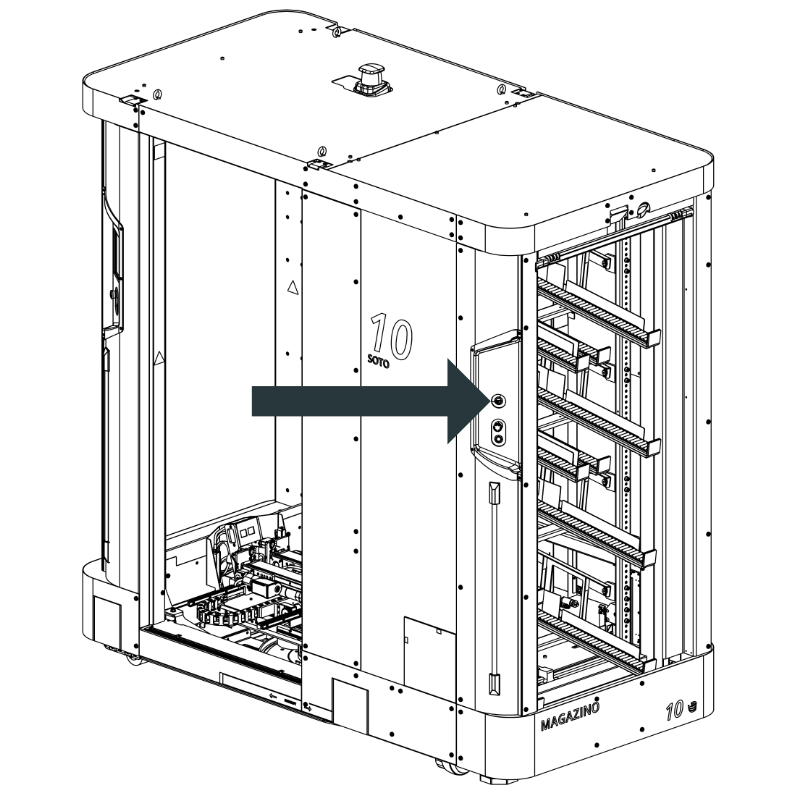
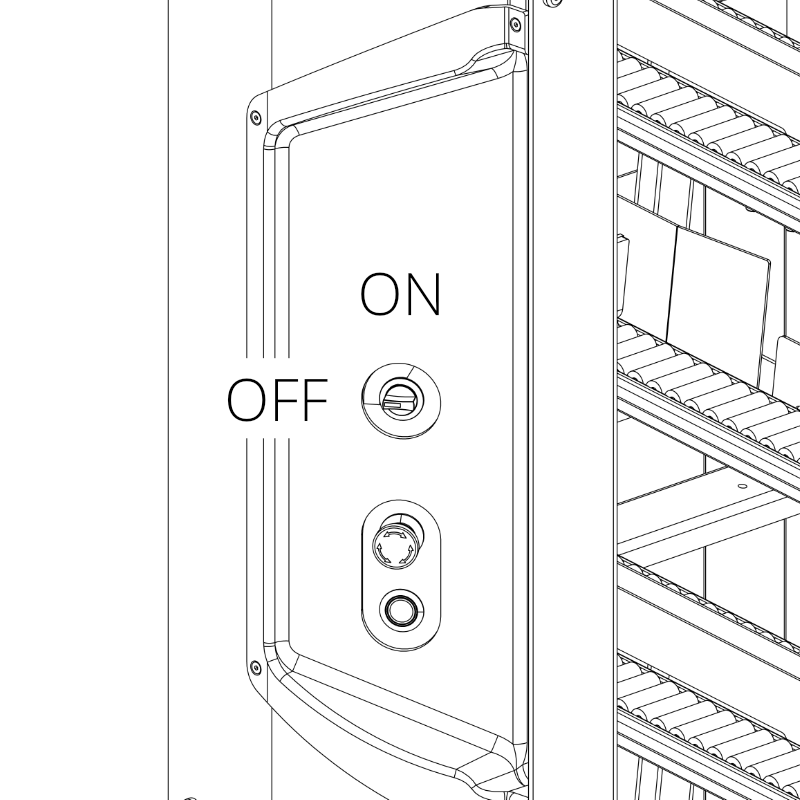
Battery disconnect switch / Power switch
The battery disconnect switch is located at the rear left of the robot. It is used to disconnect the robot from the battery.
Gripper
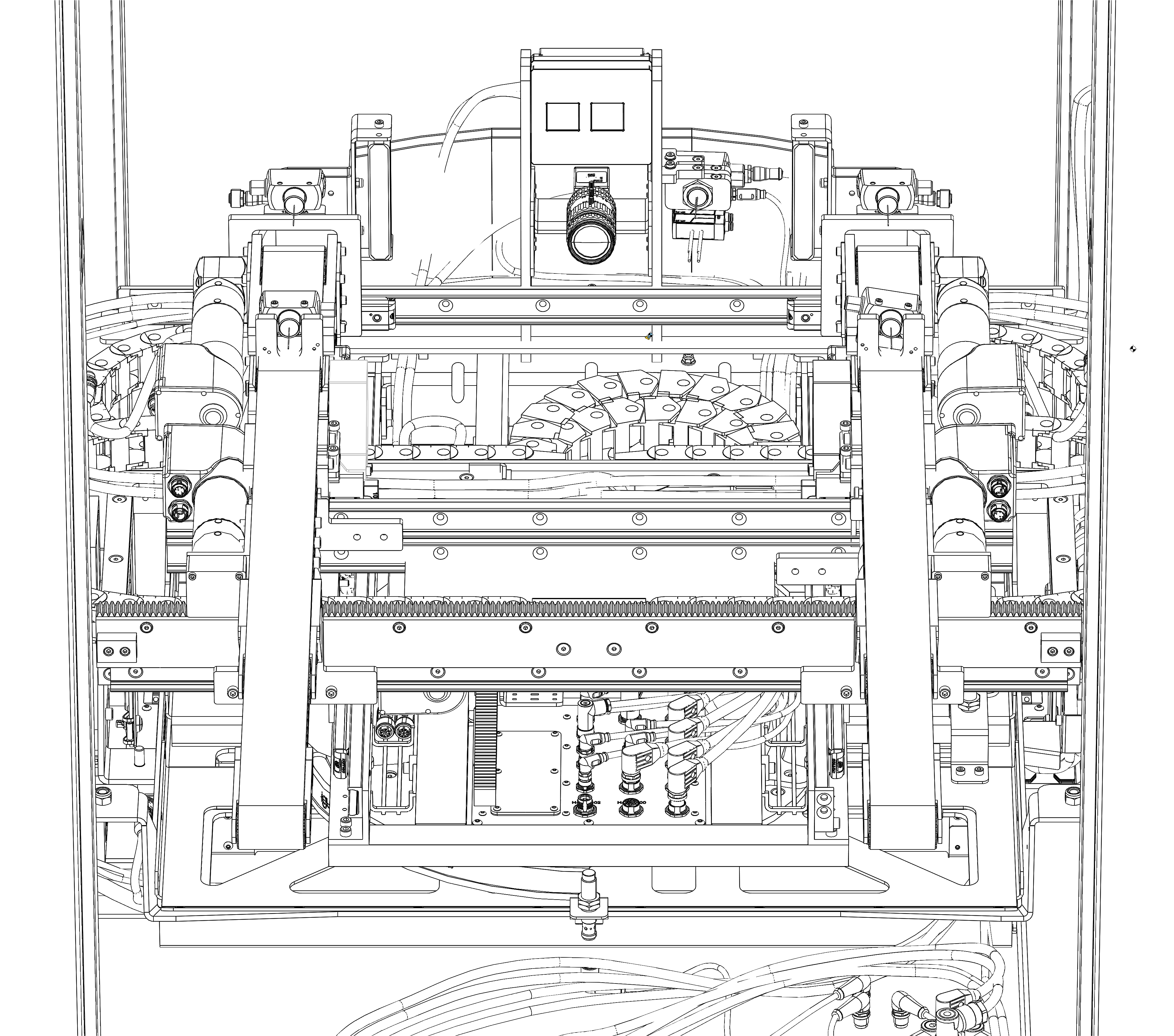
SOTO 2.1 is equipped with a conveyor gripper. The load carriers lie on the conveyor belts and can thus be picked up and deposited.
The gripper is automatically adjusted to the load carrier on several axes.
|
Weight of the gripper |
Maximum weight per load carrier |
|---|---|
|
126 kg |
20 kg |
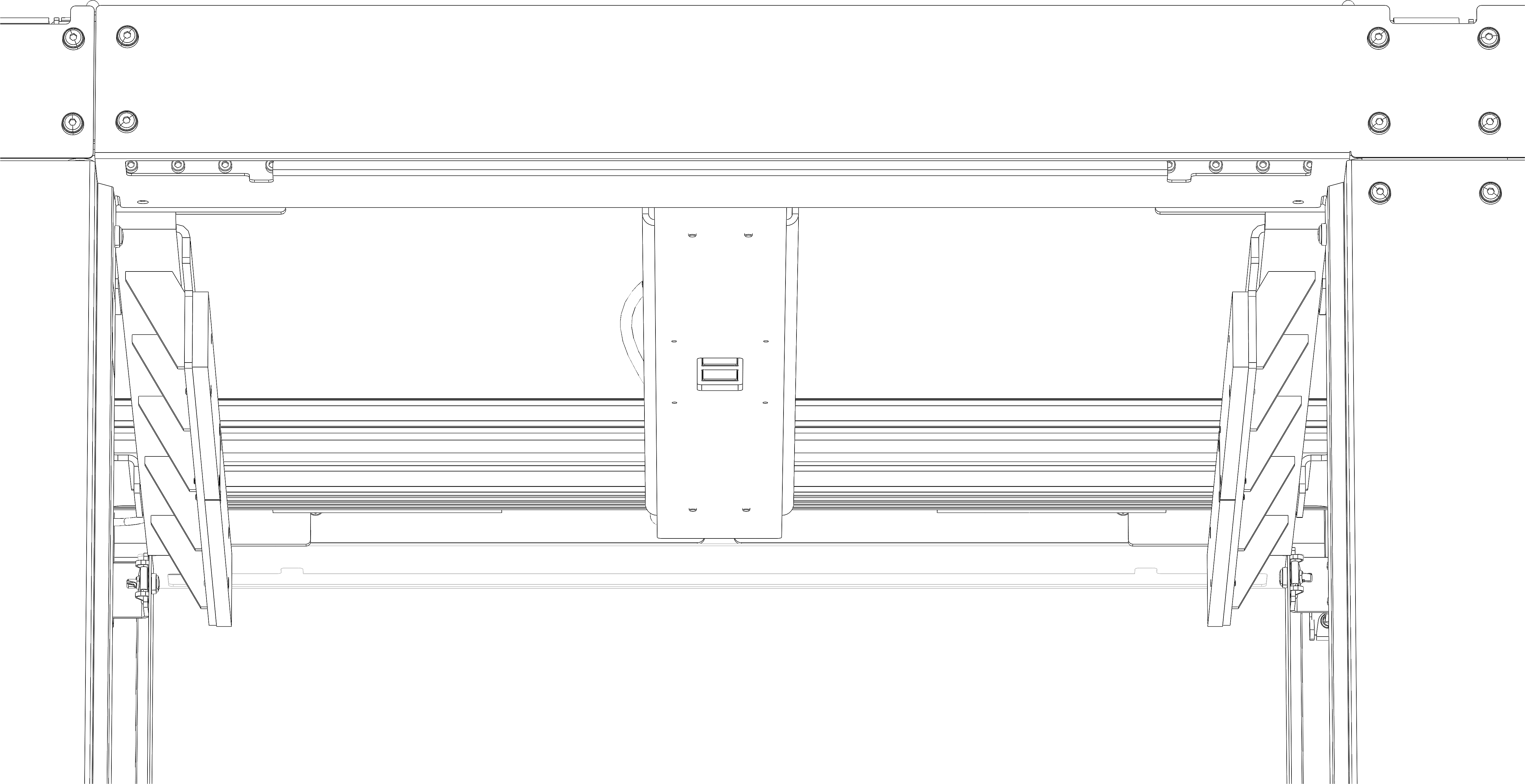
Load Carrier Press
The load carrier press is used to hold a load carrier while the gripper rotates under the load carrier. In this way, the orientation of the load carrier can be determined during placement.
Backpack
The backpack is used for intermediate storage of the load carriers picked up. It can be individually adapted to the existing load carriers. It has a tilting mechanism to tilt the load carriers.
The pick-up capacity depends on the load carriers present.
Battery
|
Product category |
Model name |
Rated capacity of one cell |
Average operating voltage of one cell |
|---|---|---|---|
|
Lithium-ion battery pack (lithium iron phosphate battery) |
LIPY041WWPCSY6 |
21 Ah |
25.6 V DC (each two cells in series connection to supply system operating voltage of 48 V DC) |
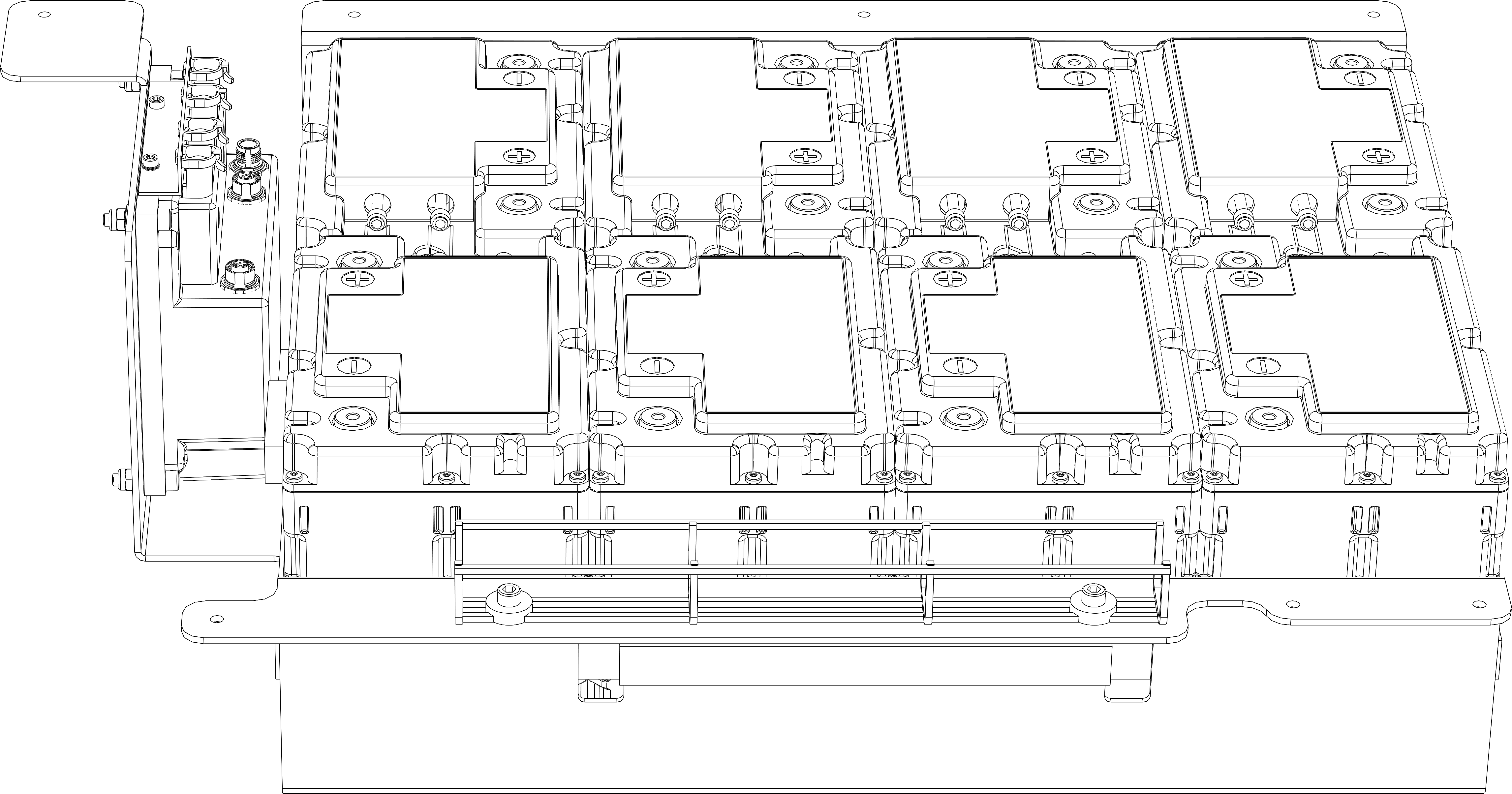
The batteries used are basically maintenance-free. During the prescribed annual inspection, the batteries and connected cables must be visually checked to ensure that they are in fault-free condition.
The intended use of the batteries does not make any special demands on the working environment.
The batteries can be disconnected from the system using the power switch.
Induction surface on the robot
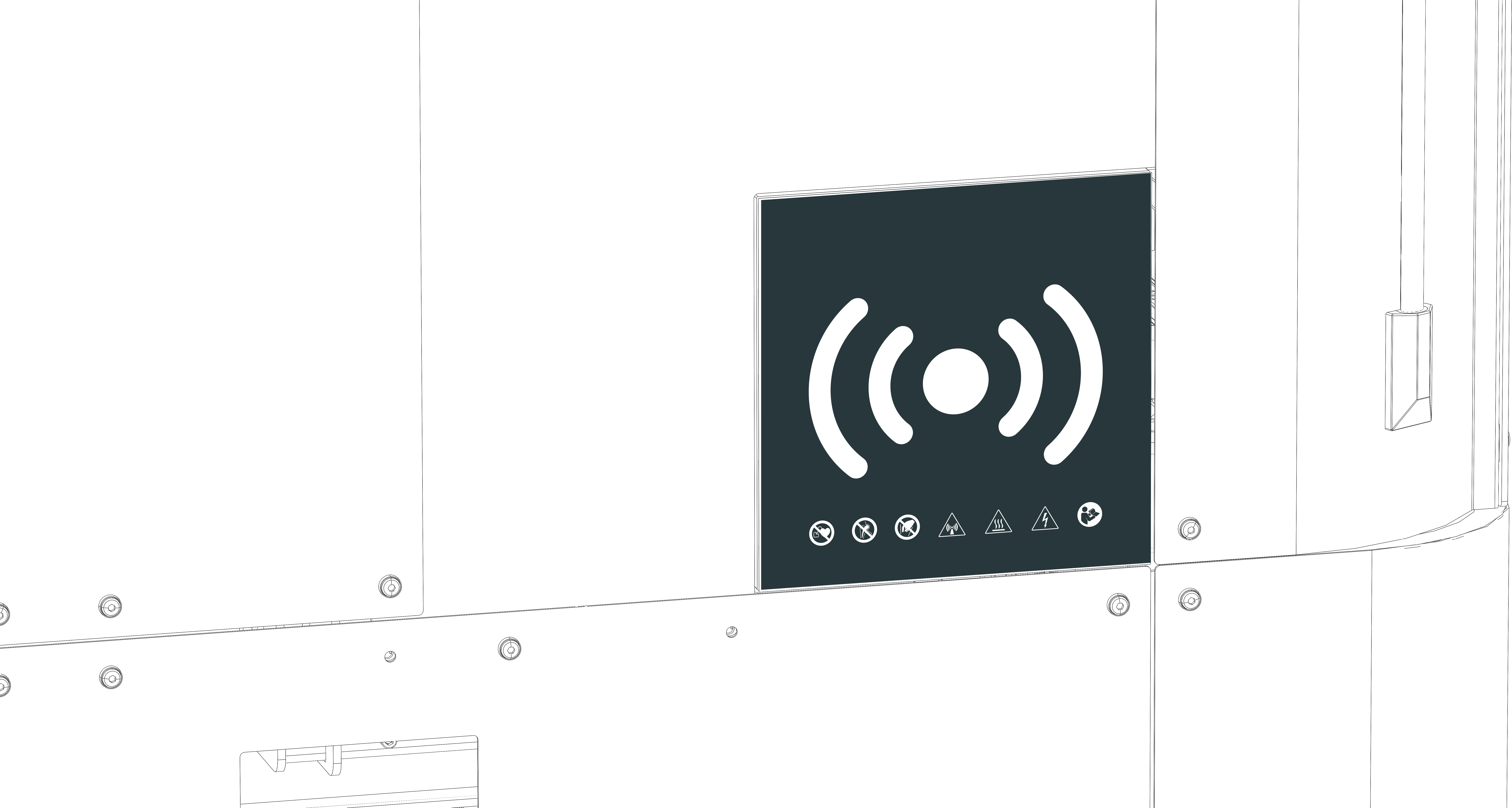
SOTO 2.1 uses contactless inductive charging. The robot automatically moves to the charging position. The induction surface of the robot communicates with the induction surface of the charger. Only when both devices have recognized each other is the charger activated and the robot charged.
Charger
SOTO 2.1 uses contactless inductive charging. The robot automatically moves to the charging position. The induction surface of the robot communicates with the induction surface of the charger. Only when both devices have recognized each other is the charger activated and the robot charged.
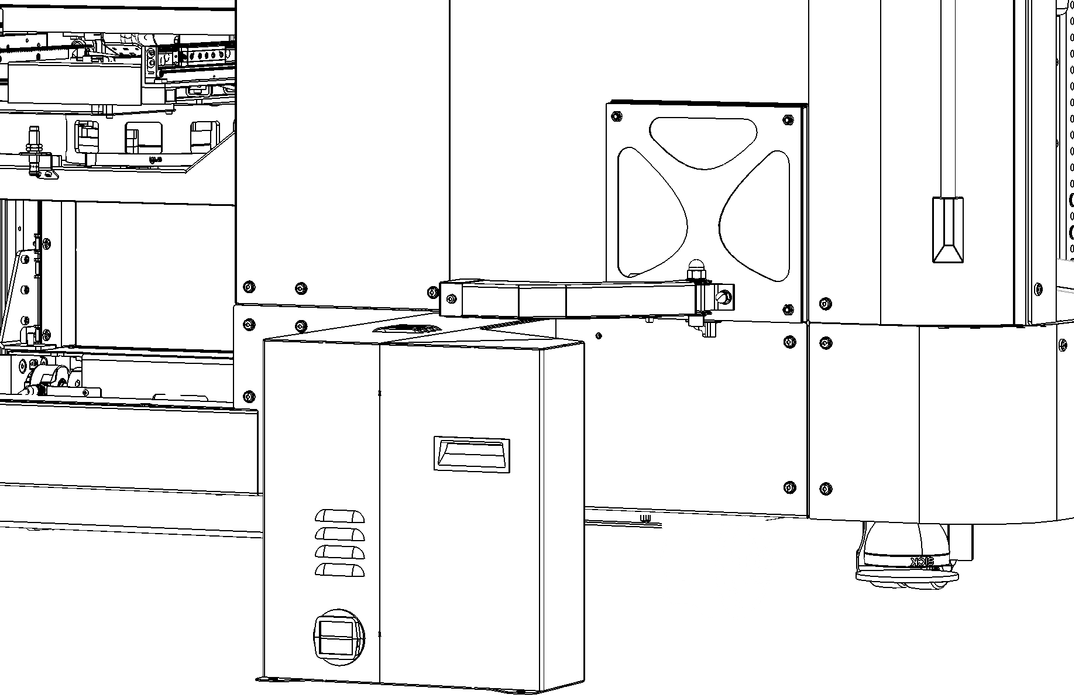
|
Input |
Output |
||
|---|---|---|---|
|
Input voltage |
1-phase, 230 V~ +/- 10 % |
Rated voltage |
48 V DC |
|
Input frequency |
50/60 Hz |
Max. Output voltage |
60 V DC |
|
Input power |
3.3 kW |
Min. output voltage |
15 V DC |
|
Current consumption |
16 A |
Max. output power |
3 kW |
|
Connection |
230V socket CEE 16A 1-phase |
Max. output current |
60 A DC |